Revised March 22, 2016; Revised on September 22, 2017, June 28, 2019; November 4, 2021; November 25, 2021 (#3); September 17, 2022; rewritten December 16, 2022; revised February 25, 2024 (#9); rewritten July 27, 2024
Đã chỉnh sửa ngày 22/03/2016; chỉnh sửa ngày 22/09/2017, ngày 28/06/2019; ngày 04/11/2021; ngày 25/11/2021 (#3); ngày 17/09/2022; viết lại ngày 16/12/2022; chỉnh sửa ngày 25/02/2024 (#9); viết lại ngày 27/07/2024
The four conditions for attaining the Sotāpanna stage are discussed. One must understand the “previously unknown real nature of this world” revealed by the Buddha.
Bốn điều kiện để đạt được bậc Sotāpanna được thảo luận. Một người phải hiểu được “bản chất thật sự của thế giới này, điều trước đây chưa từng được biết đến”, được Đức Phật khám phá và chỉ dạy.
Buddha Dhamma – A Paradigm-Change of Worldview
Dhamma của Đức Phật – Một Sự Thay Đổi Mô Hình Thế Giới Quan
- Buddhism is commonly treated as “another religion.” However, it is strikingly different from traditional religions based on a Creator. See “Is Buddha Dhamma (Buddhism) a Religion?”
Phật giáo thường được xem là “một tôn giáo khác”. Tuy nhiên, nó khác biệt rõ rệt so với các tôn giáo truyền thống dựa trên một Đấng Sáng Tạo. Xem “Is Buddha Dhamma (Buddhism) a Religion?”
- It is imperative to understand what the Buddha meant by saying, “My Dhamma (teaching) has not been known to the world.” Most people follow the mundane version of Buddhism, which mainly involves living a moral life and following rituals. Instead, they need first to understand the “real nature” of this world, which involves rebirths in suffering-filled existences.
Điều cấp thiết là phải hiểu Đức Phật muốn nói gì khi Ngài nói: “Dhamma (giáo pháp) của Ta chưa từng được thế giới biết đến.” Hầu hết mọi người theo phiên bản Phật giáo thế gian, chủ yếu bao gồm việc sống một đời sống đạo đức và thực hiện các nghi lễ. Thay vào đó, trước tiên họ cần hiểu “bản chất thật sự” của thế giới này, trong đó bao gồm những lần tái sinh vào các sự tồn tại đầy khổ đau.
- Becoming a Sotāpanna REQUIRES understanding the Buddha’s “previously unheard description of nature.”
Trở thành một Sotāpanna ĐÒI HỎI phải hiểu được “mô tả về bản chất của tự nhiên mà trước đây chưa từng được biết đến” của Đức Phật.
- There are eight types of Noble Persons, with the highest at the Arahant stage. One starts at the Sotāpanna Anugāmi stage with a vague understanding of this new worldview; see “Sotāpanna Anugāmi – No More Births in the Apāyā.” One fully comprehends the new worldview and can refrain from attaching to “distorted saññā” (built into the physical body) only at the Arahant stage. It is critical to understand that “view” (diṭṭhi) and “perception” (saññā) are different. See “Sotāpanna Stage via Understanding Perception (Saññā).”
Có tám loại Bậc Cao Quý, trong đó cao nhất là bậc Arahant. Một người bắt đầu ở bậc Sotāpanna Anugāmi với sự hiểu biết còn mơ hồ về thế giới quan mới này; xem “Sotāpanna Anugāmi – No More Births in the Apāyā.” Một người chỉ có thể thấu hiểu hoàn toàn thế giới quan mới và không còn bám chấp vào “saññā sai lệch” (được tạo dựng bên trong thân thể vật lý) ở bậc Arahant. Điều quan trọng là phải hiểu rằng “tri kiến” (diṭṭhi) và “nhận thức” (saññā) là hai điều khác nhau. Xem “Sotāpanna Stage via Understanding Perception (Saññā).”
Pre-Conditions to Prepare for the Sotāpanna Stage
Các Điều Kiện Chuẩn Bị Cho Bậc Sotāpanna
- As discussed in the following posts, one must first complete the mundane (lokiya) eightfold Path to become a Sotāpanna Anugāmi. The Noble Eightfold Path starts at the Sotāpanna Anugāmi stage.
Như đã được thảo luận trong các bài viết sau, trước tiên một người phải hoàn thành Bát Chánh Đạo thế gian (lokiya) để trở thành một Sotāpanna Anugāmi. Bát Chánh Đạo Cao Quý bắt đầu từ bậc Sotāpanna Anugāmi.
- I strongly advise reading the following posts and thinking about this issue: “Buddha Dhamma – In a Chart” and the discussion at “What is Unique in Buddha Dhamma?”.
Tôi khuyên mạnh mẽ nên đọc các bài viết sau và suy ngẫm về vấn đề này: “Buddha Dhamma – In a Chart” và phần thảo luận trong “What is Unique in Buddha Dhamma?”.
- As I pointed out in many posts, one on the mundane Path abstains from immoral deeds out of fear of bad outcomes.
Như tôi đã chỉ ra trong nhiều bài viết, một người đang đi theo Con đường thế gian tránh các hành động bất thiện vì sợ những kết quả xấu.
- But when one starts comprehending the Four Noble Truths at the Sotāpanna Anugāmi stage, one avoids such deeds because one sees the futility of such actions. What is the point in hurting others to acquire sensory pleasures that, in the end, do not provide any lasting happiness? Not only that, but such actions will lead to much suffering in future lives.
Nhưng khi một người bắt đầu thấu hiểu Tứ Diệu Đế ở bậc Sotāpanna Anugāmi, người đó tránh những hành động như vậy vì nhìn thấy sự vô ích của chúng. Có ý nghĩa gì khi làm tổn thương người khác để đạt được các khoái lạc giác quan mà cuối cùng không mang lại bất kỳ hạnh phúc lâu dài nào? Không chỉ vậy, những hành động như vậy còn dẫn đến nhiều khổ đau trong các kiếp sống tương lai.
Four Requirements to Attain the Sotāpanna Stage
Bốn Điều Kiện Để Đạt Được Bậc Sotāpanna
- In many suttās, including “WebLink: suttacentral: Sotāpattiphala Sutta (SN 55.55)” and “WebLink: suttacentral: Dutiya Sāriputta Sutta (SN 55.5),” the four requirements for someone to attain the Sotāpanna stage of Nibbāna are stated: “Cattārome, bhikkhave, dhammā bhāvitā bahulīkatā sotāpattiphalasacchikiriyāya saṃvattanti. Katame cattāro? Sappurisasaṃsevo, saddhammassavanaṃ, yonisomanasikāro, dhammānudhammappaṭipatti.”
Trong nhiều suttā, bao gồm “WebLink: suttacentral: Sotāpattiphala Sutta (SN 55.55)” và “WebLink: suttacentral: Dutiya Sāriputta Sutta (SN 55.5),” bốn điều kiện để một người đạt được bậc Sotāpanna của Nibbāna được nêu ra: “Cattārome, bhikkhave, dhammā bhāvitā bahulīkatā sotāpattiphalasacchikiriyāya saṃvattanti. Katame cattāro? Sappurisasaṃsevo, saddhammassavanaṃ, yonisomanasikāro, dhammānudhammappaṭipatti.”
- It is necessary to associate with (Sappurisasaṃsevo) and learn from (saddhammassavanaṃ) a Noble Person (Ariya) to fulfill the first two requirements. Since written texts were not available at the time of the Buddha, one had to listen to (saddhammassavanaṃ) to learn, but nowadays, one can learn by reading or listening.
Cần phải kết giao với (Sappurisasaṃsevo) và học hỏi từ (saddhammassavanaṃ) một Bậc Cao Quý (Ariya) để hoàn thành hai điều kiện đầu tiên. Vì các văn bản viết chưa có vào thời Đức Phật, người ta phải lắng nghe (saddhammassavanaṃ) để học hỏi, nhưng ngày nay người ta có thể học thông qua việc đọc hoặc lắng nghe.
- A “sappurisa (sath + purisa or “Noble friend,” i.e., an Ariya),” is sometimes called a “kalyāṇa mittā” (“kalyāna mitrā” in Sanskrit.) [kalyāṇa: [adj.] charming; morally good. (nt.), goodness; merit; virtue; welfare.]
Một “sappurisa (sath + purisa hay “người bạn cao quý”, tức là một Ariya)” đôi khi được gọi là “kalyāṇa mittā” (“kalyāna mitrā” trong tiếng Sanskrit). [kalyāṇa: [adj.] tốt đẹp; có phẩm chất đạo đức. (nt.), sự tốt đẹp; công đức; đức hạnh; phúc lợi.]
- Therefore, the first two conditions fulfill the requirement of grasping the basic ideas from an Ariya. This is also called “jānato” or “to become aware of.” Thus, one becomes a “Sotāpanna Anugāmi” at this stage.
Vì vậy, hai điều kiện đầu tiên đáp ứng yêu cầu tiếp nhận những ý tưởng cơ bản từ một Ariya. Điều này cũng được gọi là “jānato” hay “trở nên nhận biết”. Như vậy, một người trở thành Sotāpanna Anugāmi ở giai đoạn này.
- Once the basic ideas are grasped, a “Sotāpanna Anugami” must contemplate and firmly establish the foundational views in their minds. That involves the last two conditions. That is the “passato” stage to be fulfilled by the Sotāpanna Anugāmi to fully grasp the new worldview and attain the Sotāpanna stage. See ““Jānato Passato” and Ājāniya – Critical Words to Remember.”
Một khi đã nắm được những ý tưởng cơ bản, một Sotāpanna Anugāmi phải quán xét và thiết lập vững chắc những tri kiến nền tảng trong tâm mình. Điều đó liên quan đến hai điều kiện cuối cùng. Đây là giai đoạn “passato” mà một Sotāpanna Anugāmi cần hoàn thành để thấu hiểu đầy đủ thế giới quan mới và đạt được bậc Sotāpanna. Xem ““Jānato Passato” and Ājāniya – Critical Words to Remember.”
- Yoniso manasikāra means to understand how various rebirths occur according to Paṭicca Samuppāda. Here, “yoni” means “origins,” and “manasikāra” means to “sink into the mind.”
Yoniso manasikāra có nghĩa là hiểu cách thức các loại tái sinh khác nhau xảy ra theo Paṭicca Samuppāda. Ở đây, “yoni” có nghĩa là “nguồn gốc”, và “manasikāra” có nghĩa là “đi sâu vào tâm trí”.
- The final condition, dhammānudhamma Paṭipadā, involves living by the principles (dhamma) grasped and examining the details of those principles (anudhamma).
Điều kiện cuối cùng, dhammānudhamma Paṭipadā, liên quan đến việc sống theo các nguyên tắc (dhamma) đã được thấu hiểu và xem xét các chi tiết của những nguyên tắc đó (anudhamma).
- The attainment of the Sotāpanna stage (phala moment) can happen any time, anywhere while contemplating.
Việc đạt được bậc Sotāpanna (khoảnh khắc phala) có thể xảy ra bất cứ lúc nào, bất cứ nơi đâu trong khi đang quán xét.
- We can look at two accounts from the Tipiṭaka to verify the last statement. Ven. Koṇḍañña attained the Sotāpanna phala moment while contemplating the first discourse delivered by the Buddha: “Imasmiñca pana veyyākaraṇasmiṁ bhaññamāne āyasmato koṇḍaññassa virajaṁ vītamalaṁ dhammacakkhuṁ udapādi.” It is translated incorrectly as “And while this discourse was being spoken, the stainless, immaculate vision of the Dhamma arose in Venerable Koṇḍañña.” See “WebLink: suttacentral: Dhammacakkappavattana Sutta (SN 56.11).” The correct translation is, “While contemplating the Buddha’s words, the stainless, immaculate vision of the Dhamma arose in Venerable Koṇḍañña (i.e., he attained the Sotāpanna phala.)
Chúng ta có thể xem xét hai câu chuyện từ Tipiṭaka để xác nhận nhận định trên. Tôn giả Koṇḍañña đã đạt được khoảnh khắc Sotāpanna phala trong khi quán xét bài thuyết giảng đầu tiên do Đức Phật giảng dạy: “Imasmiñca pana veyyākaraṇasmiṁ bhaññamāne āyasmato koṇḍaññassa virajaṁ vītamalaṁ dhammacakkhuṁ udapādi.” Câu này thường được dịch không chính xác là: “Và trong khi bài thuyết giảng này đang được nói, con mắt Dhamma trong sạch, không tỳ vết đã phát sinh nơi Tôn giả Koṇḍañña.” Xem “WebLink: suttacentral: Dhammacakkappavattana Sutta (SN 56.11).” Bản dịch đúng là: “Trong khi quán xét những lời dạy của Đức Phật, con mắt Dhamma trong sạch, không tỳ vết đã phát sinh nơi Tôn giả Koṇḍañña (tức là ngài đã đạt được Sotāpanna phala).”
- Another example is Ven. Cittahattha’s account, “WebLink: Pure Dhamma Forums: The Five Dullabha (Rare Things).” See the description under “Venerable Cittahattha’s Account” and other comments in the thread.
Một ví dụ khác là câu chuyện của Tôn giả Cittahattha, “WebLink: Pure Dhamma Forums: The Five Dullabha (Rare Things).” Xem phần mô tả dưới mục “Venerable Cittahattha’s Account” và các bình luận khác trong chủ đề đó.
Sotāpanna Anugāmi – Dhammānusārī or Saddhānusārī
Sotāpanna Anugāmi – Dhammānusārī hoặc Saddhānusārī
- A Sotāpanna Anugāmi is either a dhammānusārī or a saddhānusārī. For details, see “Sotāpanna Anugāmi – No More Births in the Apāyā.”
Một Sotāpanna Anugāmi là một dhammānusārī hoặc một saddhānusārī. Để biết chi tiết, xem “Sotāpanna Anugāmi – No More Births in the Apāyā.”
- Also see “Sotāpanna Anugāmi and a Sotāpanna.”
Ngoài ra, xem “Sotāpanna Anugāmi and a Sotāpanna.”
- During the process of becoming a Sotāpanna, one removes three of the ten sanyojana (or saṁyojana or “mental bonds”). Those ten MENTAL bonds bind one to the cycle of rebirth; see “Conditions for the Four Stages of Nibbāna.”
Trong quá trình trở thành một Sotāpanna, một người loại bỏ ba trong mười sanyojana (hoặc saṁyojana hay “các ràng buộc của tâm”). Mười ràng buộc thuộc về TÂM này trói buộc một người vào vòng tái sinh; xem “Conditions for the Four Stages of Nibbāna.”
Uniqueness of Buddha’s Teachings
Tính Độc Đáo Trong Giáo Pháp Của Đức Phật
- Let us briefly address the issue of the “uniqueness of Buddha’s teachings.” It can be understood only if one accepts (at least temporarily) the “wider worldview of the Buddha.” They include the existence of 31 realms and a rebirth process within those realms based on the natural laws of kamma (karma in Sanskrit). I have a section discussing the validity of those assumptions/axioms: “Origin of Life.”
Hãy cùng đề cập ngắn gọn đến vấn đề “tính độc đáo trong giáo pháp của Đức Phật”. Điều này chỉ có thể được hiểu nếu một người chấp nhận (ít nhất là tạm thời) “thế giới quan rộng lớn hơn của Đức Phật”. Điều đó bao gồm sự tồn tại của 31 cảnh giới và tiến trình tái sinh trong các cảnh giới đó dựa trên các quy luật tự nhiên của kamma (karma trong tiếng Sanskrit). Tôi có một phần thảo luận về tính hợp lý của những giả định/tiên đề này: “Origin of Life.”
- The central assumption of all puthujjana (those who have not understood Buddha Dhamma) is the following: The world has “pleasurable things,” and the goal is to acquire as many such as possible (and that will lead to happiness.) That seems logical in many cases. Those who have wealth seem to be enjoying life. Modern economies are built around developing mind-pleasing gadgets, residences, movies, music, etc.
Giả định trung tâm của tất cả puthujjana (những người chưa hiểu Dhamma của Đức Phật) là như sau: Thế giới có “những thứ mang lại khoái lạc”, và mục tiêu là đạt được càng nhiều những thứ đó càng tốt (và điều đó sẽ dẫn đến hạnh phúc). Điều này dường như hợp lý trong nhiều trường hợp. Những người có tài sản dường như đang tận hưởng cuộc sống. Các nền kinh tế hiện đại được xây dựng xoay quanh việc phát triển những thiết bị, nơi ở, phim ảnh, âm nhạc, v.v. nhằm làm hài lòng tâm trí.
- However, when looked closely, one can see problems in that assumption. Let us discuss a few.
Tuy nhiên, khi xem xét kỹ, người ta có thể nhận thấy những vấn đề trong giả định đó. Hãy cùng thảo luận một vài điểm.
- Some people have a lot of wealth but suffer due to mental stress or other issues that even lead to suicide. Some are born wealthy but suffer due to an ailment. All, without exception, will suffer in old age.
Một số người có rất nhiều tài sản nhưng vẫn chịu khổ do căng thẳng tinh thần hoặc những vấn đề khác, thậm chí dẫn đến tự sát. Một số người sinh ra trong giàu có nhưng phải chịu khổ vì bệnh tật. Tất cả mọi người, không có ngoại lệ, đều sẽ chịu khổ khi về già.
Paṭicca Samuppāda Leads to Two Key Aspects of Life
Paṭicca Samuppāda Dẫn Đến Hai Khía Cạnh Quan Trọng Của Cuộc Sống
- From the “wider worldview of the Buddha,” the picture is very different. There are two main aspects to pay attention to:
Từ “thế giới quan rộng lớn hơn của Đức Phật”, bức tranh trở nên rất khác biệt. Có hai khía cạnh chính cần chú ý:
- Immoral thoughts, speech, and actions by humans seeking “pleasurable things” have unfathomable harsh consequences. Moral and immoral thoughts, speech, and actions maintain the rebirth process. Immoral ones lead to rebirths in the apāyās (lowest four realms), where suffering is harsh. While moral ones lead to rebirths in good (human, Deva, and Brahma) realms, such “good rebirths” are rare. See “How the Buddha Described the Chance of Rebirth in the Human Realm.” The mechanism of how that happens is described by Paṭicca Samuppāda, and the meaning is embedded in the title itself (“attachment to something leading to the generation of the corresponding ‘bhava’ (and thus jāti)”); see “Paṭicca Samuppāda – ‘Pati+ichcha’ + ‘Sama+uppāda’.”
Những suy nghĩ, lời nói và hành động bất thiện của con người khi theo đuổi “những thứ mang lại khoái lạc” dẫn đến những hậu quả khắc nghiệt không thể đo lường được. Những suy nghĩ, lời nói và hành động thiện cũng như bất thiện duy trì tiến trình tái sinh. Những hành động bất thiện dẫn đến tái sinh trong apāyā (bốn cảnh giới thấp nhất), nơi có những khổ đau dữ dội. Trong khi đó, những hành động thiện dẫn đến tái sinh vào các cảnh giới tốt đẹp (cõi người, Deva và Brahma), nhưng những “sự tái sinh tốt đẹp” như vậy rất hiếm. Xem “How the Buddha Described the Chance of Rebirth in the Human Realm.” Cơ chế diễn ra điều này được mô tả bởi Paṭicca Samuppāda, và ý nghĩa được hàm chứa ngay trong chính tiêu đề của nó (“sự bám chấp vào một điều gì đó dẫn đến việc tạo ra bhava tương ứng (và do đó là jāti)”); xem “Paṭicca Samuppāda – ‘Pati+ichcha’ + ‘Sama+uppāda’.”
- The second aspect is related to the first: “The new existence has features (specifically “distorted saññā”) built-in according to the type of attachment.” That is also consistent with and explained by Paṭicca Samuppāda. That aspect is to embed a “distorted saññā” according to the type of attachment. For example, human birth is based on craving sensory pleasures, but without involving immoral deeds; thus, a human body is made by kammic energy to provide a “distorted saññā” that such sensory experiences are “mind-pleasing.” On the other hand, the birth as a pig originated in an immoral, lowly deed. The pig’s body is designed by kammic energy to provide a “distorted saññā” of “tastiness in rotten meat or even feces.”
Khía cạnh thứ hai liên quan đến khía cạnh thứ nhất: “Sự tồn tại mới có những đặc điểm (cụ thể là ‘saññā bị sai lệch’) được tạo sẵn theo loại hình bám chấp.” Điều này cũng phù hợp và được giải thích bởi Paṭicca Samuppāda. Khía cạnh đó là việc tạo ra một “saññā bị sai lệch” tương ứng với loại hình bám chấp. Ví dụ, sự sinh ra làm người dựa trên sự tham ái đối với các khoái lạc giác quan nhưng không liên quan đến các hành động bất thiện; vì vậy, thân thể con người được tạo ra bởi năng lượng của kamma để mang lại một “saññā bị sai lệch” rằng những trải nghiệm giác quan như vậy là “làm tâm hài lòng”. Mặt khác, sự sinh ra làm loài heo bắt nguồn từ một hành động bất thiện, thấp kém. Thân thể của con heo được năng lượng kamma tạo ra để mang lại một “saññā bị sai lệch” về “vị ngon trong thịt thối hoặc thậm chí phân.”
- I started discussing the second aspect only recently. See “Sotāpanna Stage via Understanding Perception (Saññā).”
Tôi chỉ mới bắt đầu thảo luận về khía cạnh thứ hai này gần đây. Xem “Sotāpanna Stage via Understanding Perception (Saññā).”
Four Noble Truths, Paṭicca Samuppāda, Tilakkhaṇa
Tứ Diệu Đế, Paṭicca Samuppāda, Tilakkhaṇa
- Those two aspects explain WHY the Buddha said: “this wider world of 31 realms” has much suffering. Illusory sensory pleasures (due to built-in distorted saññā) keep us bound to the kāma loka and often to the four apāyā. That is the First Noble Truth.
Hai khía cạnh trên giải thích TẠI SAO Đức Phật nói rằng: “thế giới rộng lớn hơn gồm 31 cảnh giới này” có rất nhiều khổ đau. Những khoái lạc giác quan mang tính ảo tưởng (do saññā bị sai lệch được tạo sẵn) giữ chúng ta bị ràng buộc trong kāma loka và thường xuyên trong bốn apāyā. Đó chính là Khổ Đế thứ nhất.
- The Buddha also said that if one comprehends the First Noble Truth, one will automatically understand the other three. That essential vision or the first inkling of “Sammā Diṭṭhi” is critical.
Đức Phật cũng nói rằng nếu một người thấu hiểu Khổ Đế thứ nhất, người đó sẽ tự động hiểu được ba chân lý còn lại. Cái thấy biết thiết yếu đó, hay tia nhận thức đầu tiên về “Sammā Diṭṭhi”, là điều vô cùng quan trọng.
- Understanding Paṭicca Samuppāda is essential to understanding the Four Noble Truths. Paṭicca Samuppāda explains how rebirths in various existences occur, including in the apāyās (the four lowest realms, including the animal realm).
Hiểu Paṭicca Samuppāda là điều thiết yếu để hiểu Tứ Diệu Đế. Paṭicca Samuppāda giải thích cách thức tái sinh vào các dạng tồn tại khác nhau xảy ra, bao gồm cả trong apāyā (bốn cảnh giới thấp nhất, bao gồm cảnh giới loài vật).
- That will lead to an understanding of the actual frightful nature of this world, i.e., Tilakkhaṇa (anicca, dukkha, anatta). Details at “Paṭicca Samuppāda, Tilakkhaṇa, Four Noble Truths.”
Điều đó sẽ dẫn đến sự hiểu biết về bản chất đáng sợ thật sự của thế giới này, tức là Tilakkhaṇa (anicca, dukkha, anatta). Chi tiết tại “Paṭicca Samuppāda, Tilakkhaṇa, Four Noble Truths.”
Only a Noble Person Can Explain Those Concepts
Chỉ Một Bậc Cao Quý Mới Có Thể Giải Thích Những Khái Niệm Đó
- Now, it is easier to grasp why the Buddha emphasized the importance of those four conditions. First, since Buddha’s message is unique (as summarized in #7 above), it has to come from a Buddha or “someone whose knowledge traces back to the Buddha.” The following is an analogy to explain that.
Bây giờ sẽ dễ dàng hơn để hiểu vì sao Đức Phật nhấn mạnh tầm quan trọng của bốn điều kiện đó. Trước hết, vì thông điệp của Đức Phật là độc nhất (như đã tóm tắt trong mục #7 ở trên), nó phải đến từ một vị Phật hoặc “một người có kiến thức bắt nguồn từ Đức Phật”. Ví dụ so sánh dưới đây sẽ giải thích điều đó.
- The Buddha can be compared to a great tree, standing tall and firm. All other humans are like “climbers” that need a tree to “climb up.” Such climbers do not have strong enough stems, so they cannot stand erect on their own. They need the support of another plant or a stick to stand. Those plants are called climbers. Climbers have tendrils to hold the supporting plant or a post. Following are some examples.
Đức Phật có thể được ví như một cây đại thụ, đứng vững vàng và cao lớn. Tất cả những con người khác giống như những “cây leo” cần một cái cây để “leo lên”. Những cây leo này không có thân đủ mạnh để tự đứng thẳng, vì vậy chúng cần sự hỗ trợ của một loài cây khác hoặc một cái cọc để đứng vững. Những loài cây đó được gọi là cây leo. Cây leo có các tua cuốn để bám vào cây hỗ trợ hoặc cột chống. Dưới đây là một số ví dụ.
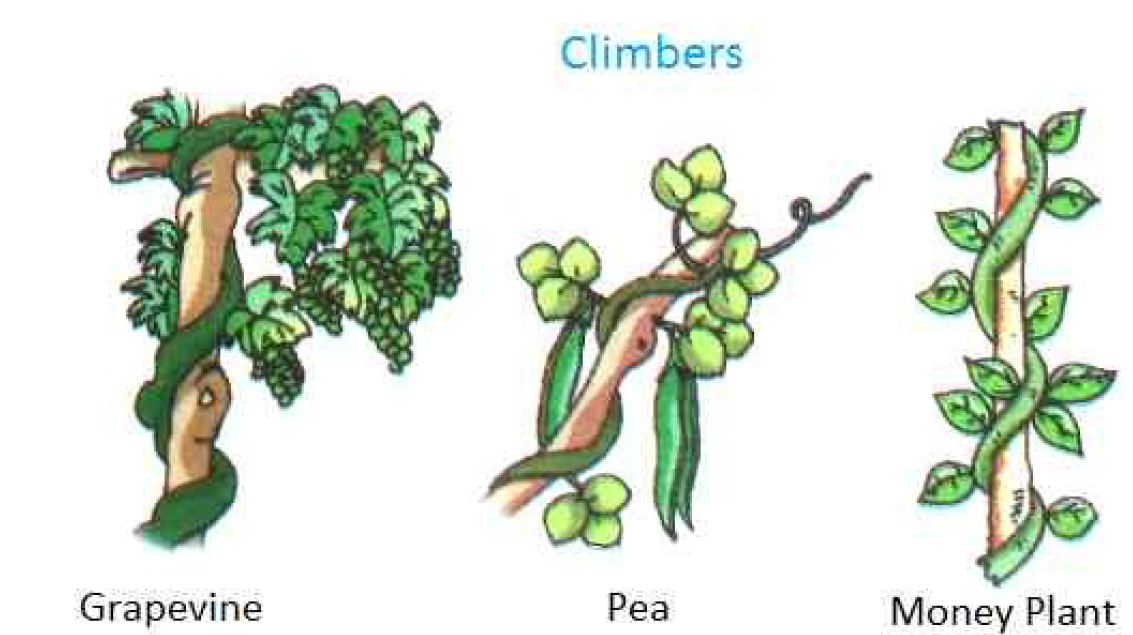
- Let us think of a forest with numerous climbers, but only one tree and no other supports such as sticks.
Hãy hình dung một khu rừng có rất nhiều loài dây leo, nhưng chỉ có một cái cây và không có bất kỳ vật gì khác để chúng bám vào, chẳng hạn như những chiếc cọc.
- The only way for a climber to “climb up” would be to get hold of that tree.
Cách duy nhất để một dây leo có thể “leo lên” là bám được vào cái cây đó.
- Only climbers close to the tree can reach it and climb. But now others can, too. Thus, as more climbers start climbing, the “access area” grows.
Ban đầu, chỉ những dây leo ở gần cái cây mới có thể vươn tới và leo lên. Nhưng sau đó, những dây leo khác cũng có thể làm được như vậy. Do đó, khi ngày càng có nhiều dây leo bắt đầu leo lên, “phạm vi tiếp cận” cũng mở rộng.
- Therefore, if we can find a climber climbing up, we can ALWAYS trace it back to the original tree. In the same way, an Ariya or a Noble person (a Sotāpanna, Sakadāgāmi, Anāgāmi, or Arahant) can ALWAYS be traced back in lineage to the Buddha.
Vì vậy, nếu chúng ta thấy một dây leo đang leo lên, chúng ta LUÔN có thể lần ngược lại để tìm đến cái cây ban đầu. Tương tự như vậy, một Ariya hay một bậc Thánh (một Sotāpanna, Sakadāgāmi, Anāgāmi hoặc Arahant) LUÔN có thể được truy ngược theo dòng truyền thừa về đến Đức Phật.
- Because the message is unique, it has to come from the Buddha himself or someone whose lineage is traceable to the Buddha. Without exposure to the correct message, one cannot attain even the Sotāpanna Anugāmi stage. Someone aspiring to become an Ariya MUST learn that Dhamma from another Ariya; see “Buddha Dhamma – In a Chart.”
Bởi vì thông điệp này là độc nhất, nên nó phải xuất phát từ chính Đức Phật hoặc từ một người thuộc dòng truyền thừa có thể truy nguyên về Đức Phật. Nếu không được tiếp cận với thông điệp đúng đắn, một người thậm chí không thể đạt đến bậc Sotāpanna Anugāmi. Người mong muốn trở thành một Ariya NHẤT ĐỊNH phải học Dhamma ấy từ một Ariya khác; xem “Buddha Dhamma – In a Chart.”
- Now, we can see the logic of the first two conditions. One has to learn Dhamma (the correct version), AND thus, it can be learned only from an Ariya (Noble) person.
Giờ đây, chúng ta có thể thấy tính hợp lý của hai điều kiện đầu tiên. Một người phải học Dhamma (phiên bản đúng đắn), VÀ do đó, Dhamma ấy chỉ có thể được học từ một Ariya (bậc Thánh).
- The phrase “Kalyāṇa mitrā” is Sanskrit; in Pāli, it is “kalyāṇa mittā” (pronounced “miththā”), for “a friend who helps to remove defilements” (“kāla” is for “dirty” or “blackish” as in “dirty water” and “na” is for “removing”).
Cụm từ “Kalyāṇa mitrā” là tiếng Sanskrit; trong Pāli, đó là “kalyāṇa mittā” (phát âm là “miththā”), mang nghĩa “một người bạn giúp loại bỏ các ô nhiễm” (“kāla” mang nghĩa “bẩn” hoặc “đen sẫm”, như trong “nước bẩn”, còn “na” mang nghĩa “loại bỏ”).
- Many people consider “Kalyāṇa mitrā” to be a “good friend” in the conventional sense. But it is more than just “good.” One needs to know the message of the Buddha to convey it to others.
Nhiều người hiểu “Kalyāṇa mitrā” đơn giản là một “người bạn tốt” theo nghĩa thông thường. Nhưng ý nghĩa của nó vượt xa chữ “tốt”. Một người cần phải hiểu thông điệp của Đức Phật thì mới có thể truyền đạt thông điệp ấy cho người khác.
- That is possible by listening to or reading about this correct message, which fulfills the first two conditions and leads to a tentative grasping of the foundational concepts (jānato).
Điều đó có thể thực hiện được bằng cách lắng nghe hoặc đọc về thông điệp đúng đắn này; nhờ vậy, hai điều kiện đầu tiên được đáp ứng và người học bắt đầu có sự nắm bắt ban đầu về các khái niệm nền tảng (jānato).
Value of a Noble Friend (Kalyāṇa Mittā)
Giá trị của một Người bạn Thánh thiện (Kalyāṇa Mittā)
- One time, Ven. Ānanda, who was the personal assistant to the Buddha for many years, in the end, approached the Buddha and said, “Bhante (Venerable Sir), I have been thinking that the future of the Buddha Sāsana (doctrine) must be dependent at least 50% on the kalyāṇa mittās”.
Có một lần, Ngài Ānanda, người đã làm thị giả riêng của Đức Phật trong nhiều năm, cuối cùng đến gặp Đức Phật và thưa rằng: “Bhante (Bạch Ngài), con đã suy nghĩ rằng tương lai của Buddha Sāsana (giáo pháp) chắc hẳn phải phụ thuộc ít nhất 50% vào các kalyāṇa mittās.”
- The Buddha replied, “Ānanda, do not say that. The Buddha Sāsana will depend 100% on the kalyāṇa mittās”. Now we can see why. See “WebLink: suttacentral: Upaḍḍha Sutta (SN 45.2).”
Đức Phật đáp: “Ānanda, đừng nói như vậy. Phật Sāsana sẽ phụ thuộc 100% vào các kalyāṇa mittās.” Giờ đây, chúng ta có thể thấy lý do vì sao. Xem “WebLink: suttacentral: Upaḍḍha Sutta (SN 45.2).”
- If that lineage breaks, that is the end of Buddha Sāsana. The words may still be there in books, but there will be no one to explain the true meanings of the keywords, including anicca, dukkha, and anatta.
Nếu dòng truyền thừa đó bị đứt đoạn, thì đó chính là sự chấm dứt của Phật Sāsana. Những lời dạy có thể vẫn còn được lưu lại trong sách vở, nhưng sẽ không còn ai có thể giải thích ý nghĩa chân thực của các thuật ngữ then chốt, bao gồm anicca, dukkha và anatta.
- In the Vinaya Piṭaka, the Buddha said Buddha Dhamma would FLOURISH only for 500 years (that does not mean it would disappear): “WebLink: suttacentral: Nuns (Bhikkhuni) (Vinaya Kd 20)” The “WebLink: suttacentral: Gotamī Sutta (AN 8.51)” says the same.
Trong Vinaya Piṭaka, Đức Phật nói rằng Dhamma của Đức Phật chỉ PHÁT TRIỂN HƯNG THỊNH trong 500 năm (điều đó không có nghĩa là Dhamma sẽ biến mất): “WebLink: suttacentral: Nuns (Bhikkhuni) (Vinaya Kd 20).” “WebLink: suttacentral: Gotamī Sutta (AN 8.51)” cũng nói điều tương tự.
- After that, there will be periods where the teachings will go “underground,” meaning the absence of Ariyas, who can explain the teachings. A jāti Sotāpanna with the paṭisambhidā ñāṇa must be born from time to time to recover the actual teachings.
Sau đó, sẽ có những thời kỳ mà các giáo pháp đi vào trạng thái “ẩn khuất”, nghĩa là không còn các Ariya có khả năng giải thích giáo pháp. Theo từng thời kỳ, một jāti Sotāpanna có paṭisambhidā ñāṇa phải được sinh ra để khôi phục lại giáo pháp chân thực.
- The Buddha emphasized that his teachings (among humans) will not disappear as long as there are at least Sotāpannas among humans who can keep passing down the teachings to the next generation.
Đức Phật nhấn mạnh rằng giáo pháp của Ngài (trong cõi người) sẽ không biến mất chừng nào vẫn còn ít nhất các Sotāpanna trong loài người có thể tiếp tục truyền lại giáo pháp cho thế hệ kế tiếp.
- That is in the “WebLink: suttacentral: Mahāparinibbāna Sutta (DN 16)”: “Yasmiṁ kho, subhadda, dhammavinaye ariyo aṭṭhaṅgiko maggo na upalabbhati, samaṇopi tattha na upalabbhati. Dutiyopi tattha samaṇo na upalabbhati. Tatiyopi tattha samaṇo na upalabbhati. Catutthopi tattha samaṇo na upalabbhati. Yasmiñca kho, subhadda, dhammavinaye ariyo aṭṭhaṅgiko maggo upalabbhati, samaṇopi tattha upalabbhati, dutiyopi tattha samaṇo upalabbhati, tatiyopi tattha samaṇo upalabbhati, catutthopi tattha samaṇo upalabbhati. Imasmiṁ kho, subhadda, dhammavinaye ariyo aṭṭhaṅgiko maggo upalabbhati, idheva, subhadda, samaṇo, idha dutiyo samaṇo, idha tatiyo samaṇo, idha catuttho samaṇo, suññā parappavādā samaṇebhi aññehi. –Ime ca, subhadda, bhikkhū sammā vihareyyuṁ, asuñño loko arahantehi assāti.”
Điều này được nêu trong “WebLink: suttacentral: Mahāparinibbāna Sutta (DN 16)”: “Yasmiṁ kho, subhadda, dhammavinaye ariyo aṭṭhaṅgiko maggo na upalabbhati, samaṇopi tattha na upalabbhati. Dutiyopi tattha samaṇo na upalabbhati. Tatiyopi tattha samaṇo na upalabbhati. Catutthopi tattha samaṇo na upalabbhati. Yasmiñca kho, subhadda, dhammavinaye ariyo aṭṭhaṅgiko maggo upalabbhati, samaṇopi tattha upalabbhati, dutiyopi tattha samaṇo upalabbhati, tatiyopi tattha samaṇo upalabbhati, catutthopi tattha samaṇo upalabbhati. Imasmiṁ kho, subhadda, dhammavinaye ariyo aṭṭhaṅgiko maggo upalabbhati, idheva, subhadda, samaṇo, idha dutiyo samaṇo, idha tatiyo samaṇo, idha catuttho samaṇo, suññā parappavādā samaṇebhi aññehi. –Ime ca, subhadda, bhikkhū sammā vihareyyuṁ, asuñño loko arahantehi assāti.”
That means: “Subhadda, in whatever teaching and training the noble eightfold path is not found, there is no true Sotāpanna, Sakadāgāmi, Anāgāmi, or Arahant. In whatever teaching and training the noble eightfold path is found, there is a true Sotāpanna, a Sakadāgāmi, an Anāgāmi, and an Arahant. The noble eightfold path is found in this teaching (Buddha Dhamma) and training (Vinaya).
Điều đó có nghĩa là: “Subhadda, trong bất kỳ giáo pháp và sự tu tập nào không tìm thấy Bát Thánh Đạo, thì ở đó không có Sotāpanna, Sakadāgāmi, Anāgāmi hay Arahant chân chính. Trong bất kỳ giáo pháp và sự tu tập nào có Bát Thánh Đạo, thì ở đó có một Sotāpanna chân chính, một Sakadāgāmi, một Anāgāmi và một Arahant. Bát Thánh Đạo có trong giáo pháp này (Dhamma của Đức Phật) và trong sự tu tập này (Vinaya).
– As long as bhikkhus maintain the Ariya lineage, this world will have Arahants.”
– Chừng nào các bhikkhu còn duy trì dòng truyền thừa Ariya, thế gian này sẽ vẫn còn các Arahant.”
Jāti Sotāpanna With Paṭisambhidā Ñāṇa
Jāti Sotāpanna Với Paṭisambhidā Ñāṇa
- Thus, the teachings of the Buddha go “underground” for long periods. But once in a while, a “jāti Sotāpanna” is born who has fulfilled his pāramitā to bring back the message of the Buddha-like Venerable Mahinda about 600 years after the Buddha. They must not only jāti Sotāpannas but have the “paṭisambhidā ñāṇa” to figure out the true meanings of key Pāli words, such as anicca, dukkha, anatta, and Paṭicca Samuppāda.
Do đó, giáo pháp của Đức Phật có thể “ẩn khuất” trong những khoảng thời gian dài. Nhưng thỉnh thoảng, một “jāti Sotāpanna” được sinh ra, người đã hoàn thành pāramitā của mình để khôi phục lại thông điệp của Đức Phật, giống như Đại đức Mahinda vào khoảng 600 năm sau thời Đức Phật. Những vị ấy không chỉ phải là jāti Sotāpanna mà còn phải có “paṭisambhidā ñāṇa” để nhận ra ý nghĩa chân thực của những từ Pāli then chốt như anicca, dukkha, anatta và Paṭicca Samuppāda.
- I believe this is such a time. Pure Buddha Dhamma was hidden for hundreds of years until revealed by Waharaka Thero: “Parinibbāna of Waharaka Thero.”
Tôi tin rằng đây chính là một thời kỳ như vậy. Dhamma thuần khiết của Đức Phật đã bị ẩn khuất trong hàng trăm năm cho đến khi được Ngài Waharaka Thero khai mở: “Parinibbāna of Waharaka Thero.”
- Many “climbers” worldwide have already started “climbing up.” I am encouraged by emails from many reading this website about their joy in comprehending the “pure Dhamma.”
Nhiều “dây leo” trên khắp thế giới đã bắt đầu “leo lên”. Tôi cảm thấy được khích lệ bởi những email từ nhiều người đang đọc trang web này, trong đó họ chia sẻ niềm vui khi hiểu được “Dhamma trong sáng”.
Yoniso Manasikāra With the Comprehension of Paṭicca Samuppāda
Yoniso Manasikāra Với Sự Thấu Hiểu Paṭicca Samuppāda
- The third condition is to “act with yoniso manasikāra.” Here, “yoni” means “origin,” “so” means “oneself,” and “manasikāra” means “comprehension.”
Điều kiện thứ ba là “hành động với yoniso manasikāra”. Ở đây, “yoni” có nghĩa là “nguồn gốc”, “so” có nghĩa là “chính mình”, và “manasikāra” có nghĩa là “sự thấu hiểu”.
- One understands how one can be reborn in a given realm (existence) based on one’s actions (abhisaṅkhāra.) One acts with the opposite of yoniso manasikāra (i.e., ayoniso manasikāra) when one generates abhisaṅkhāra with “avijjā paccayā saṅkhāra.” That initiates the Paṭicca Samuppāda process.
Một người hiểu được vì sao mình có thể tái sinh vào một cõi nhất định (một dạng tồn tại) dựa trên những hành động của chính mình (abhisaṅkhāra). Một người hành động theo chiều ngược lại với yoniso manasikāra (tức ayoniso manasikāra) khi tạo ra abhisaṅkhāra với “avijjā paccayā saṅkhāra”. Điều đó khởi đầu tiến trình Paṭicca Samuppāda.
- “Yoni” in Pāli and Sinhala means the birth canal; thus, yoniso manasikāra means the “understanding of origins.” One grasps yoniso manasikāra (i.e., the causes that lead to births in various realms) by comprehending Paṭicca Samuppāda.
“Yoni” trong Pāli và Sinhala có nghĩa là đường sinh; do đó, yoniso manasikāra có nghĩa là “sự hiểu biết về nguồn gốc”. Một người nắm bắt được yoniso manasikāra (tức các nguyên nhân dẫn đến sự sinh ra trong những cõi khác nhau) bằng cách thấu hiểu Paṭicca Samuppāda.
- Paṭicca Samuppāda explains the arising of “bhava” and “jāti” according to one’s gati; see “Gati to Bhava to Jāti – Ours to Control.”
Paṭicca Samuppāda giải thích sự phát sinh của “bhava” và “jāti” tùy theo gati của mỗi người; xem “Gati to Bhava to Jāti – Ours to Control.”
- With that understanding, one will be motivated to cultivate “gati” to make good decisions, either automatically or by contemplating them. In other words, one can make better moral judgments and act with paññā (wisdom).
Với sự hiểu biết đó, một người sẽ có động lực để rèn luyện “gati” nhằm đưa ra những quyết định đúng đắn, dù là một cách tự động hay thông qua suy xét. Nói cách khác, người ấy có thể đưa ra những phán đoán đạo đức tốt hơn và hành động với paññā (trí tuệ).
- No one wants to be born a dog. But if one acts like a dog, one will likely be born a dog. Dogs won’t hesitate to engage in inappropriate behavior: they defecate anywhere, engage in sex with any female dog, possibly even their kids, etc. With the comprehension of Paṭicca Samuppāda, we can figure out what kind of actions/speech/thoughts (abhisaṅkhāra) lead to what types of rebirths.
Không ai muốn sinh ra làm chó. Nhưng nếu một người hành xử như chó, người đó có khả năng sẽ sinh ra làm chó. Chó không ngần ngại thực hiện những hành vi không thích hợp: chúng phóng uế ở bất cứ đâu, giao phối với bất kỳ con chó cái nào, thậm chí có thể với cả con của chúng, v.v. Với sự thấu hiểu Paṭicca Samuppāda, chúng ta có thể nhận ra những loại hành động/lời nói/suy nghĩ (abhisaṅkhāra) nào dẫn đến những dạng tái sinh nào.
Connection to Tilakkhaṇa
Mối liên hệ với Tilakkhaṇa
- The Vibhaṅgapakarana (Second Book of the Abhidhamma Piṭaka (BJT), p. 234) explains ayoniso manasikāra as “perceiving anicca as nicca, dukkha as sukha, and anatta as atta.” Thus, acting with yoniso manasikāra requires comprehending anicca, dukkha, and anatta. That is another way to express the deductions from Paṭicca Samuppāda. [947. Tattha katamo ayoniso manasikāro: anicce niccanti ayoniso manasikāro, dukkhe sukhanti ayoniso manasikāro. Anattani attāti ayoniso manasikāro, asubhe subhanti ayoniso manasikāro, saccavippaṭikūlena vā cittassa āvaṭṭanā anvāvaṭṭana1 ābhogo samannāhāro manasikāro, ayaṃ vuccati ayoniso manasikāro.]
Vibhaṅgapakarana (Quyển thứ hai của Abhidhamma Piṭaka (BJT), tr. 234) giải thích ayoniso manasikāra là “nhận thức anicca là nicca, dukkha là sukha, và anatta là atta”. Vì vậy, hành động với yoniso manasikāra đòi hỏi phải thấu hiểu anicca, dukkha và anatta. Đây là một cách khác để diễn đạt những kết luận rút ra từ Paṭicca Samuppāda. [947. Tattha katamo ayoniso manasikāro: anicce niccanti ayoniso manasikāro, dukkhe sukhanti ayoniso manasikāro. Anattani attāti ayoniso manasikāro, asubhe subhanti ayoniso manasikāro, saccavippaṭikūlena vā cittassa āvaṭṭanā anvāvaṭṭana1 ābhogo samannāhāro manasikāro, ayaṃ vuccati ayoniso manasikāro.]
- To state that briefly, one generates abhisaṅkhāra with “avijjā paccayā saṅkhāra” because one believes that things in this world can provide happiness in the long run. But that is acting with ayoniso manasikāra because those only lead to “bhava” and “jāti,” ending with a “whole mass suffering.” To act with yoniso manasikāra is to see the unfruitfulness of these struggles to attain something that is not attainable. See #7 of “Yoniso Manasikāra and Paṭicca Samuppāda.”
Nói ngắn gọn, một người tạo ra abhisaṅkhāra với “avijjā paccayā saṅkhāra” vì tin rằng những thứ trong thế gian này có thể mang lại hạnh phúc lâu dài. Nhưng đó là hành động với ayoniso manasikāra, bởi những điều ấy chỉ dẫn đến “bhava” và “jāti”, cuối cùng kết thúc bằng “toàn bộ khối đau khổ”. Hành động với yoniso manasikāra là nhận ra sự vô ích của những nỗ lực này nhằm đạt được một điều vốn không thể đạt được. Xem mục #7 của “Yoniso Manasikāra and Paṭicca Samuppāda.”
- Even more importantly, one will automatically avoid those deeds (done with abhisaṅkhāra) that can lead to rebirth in the apāyā.
Quan trọng hơn nữa, một người sẽ tự động tránh những hành vi (được thực hiện với abhisaṅkhāra) có thể dẫn đến tái sinh trong apāyā.
- Thus, “yoniso manasikāra” has a deeper meaning than “appropriate attention.” In particular, a Sotāpanna comprehends “paṭi + icca” leads to “sama+uppāda”; see, “Paṭicca Samuppāda – “Pati+ichcha”+”Sama+uppāda”.
Do đó, “yoniso manasikāra” mang ý nghĩa sâu sắc hơn “sự chú ý thích hợp”. Đặc biệt, một Sotāpanna thấu hiểu rằng “paṭi + icca” dẫn đến “sama+uppāda”; xem “Paṭicca Samuppāda – “Pati+ichcha”+”Sama+uppāda”.”
Fourth Condition – Dhammānudhamma Paṭipadā
Điều kiện Thứ tư – Dhammānudhamma Paṭipadā
- When meeting the first three conditions, one is set to fulfill the fourth, “Dhammānudhamma Paṭipadā.” Here “Dhammānudhamma” is “Dhamma + anuhamma,” where “Dhamma” is Buddha Dhamma, which is Paṭicca Samuppāda. The Buddha stated, “Yo Paṭiccasamuppādaṁ passati, so Dhammaṁ passati.” (i.e., “Whoever understands Paṭicca Samuppāda understands my Dhamma.”)
Khi đáp ứng ba điều kiện đầu tiên, một người đã sẵn sàng để hoàn thành điều kiện thứ tư, “Dhammānudhamma Paṭipadā”. Ở đây, “Dhammānudhamma” là “Dhamma + anuhamma”, trong đó “Dhamma” là Dhamma của Đức Phật, tức Paṭicca Samuppāda. Đức Phật tuyên bố: “Yo Paṭiccasamuppādaṁ passati, so Dhammaṁ passati.” (tức là: “Ai hiểu Paṭicca Samuppāda thì hiểu Dhamma của ta.”)
- Here, we need to understand that “Dhamma” can mean to bear “things in this world” or “Buddha Dhamma,” which is to bear “things that will enable one to transcend/escape this world.” See “Dhamma – Different Meanings Depending on the Context” and “What are Rūpa? – Dhammā are Rūpa too!.”
Ở đây, chúng ta cần hiểu rằng “Dhamma” có thể mang nghĩa là chứa đựng “những thứ trong thế gian này”, hoặc “Dhamma của Đức Phật”, tức là chứa đựng “những điều giúp một người vượt lên trên/thoát khỏi thế gian này”. Xem “Dhamma – Different Meanings Depending on the Context” và “What are Rūpa? – Dhammā are Rūpa too!.”
- Anudhamma means “other Dhamma compatible with Paṭicca Samuppāda,” and “Paṭipadā” is “to follow.” Thus it means following other aspects of Buddha Dhamma (such as Tilakkhaṇa, moral conduct, etc.)
Anudhamma có nghĩa là “những Dhamma khác phù hợp với Paṭicca Samuppāda”, và “Paṭipadā” có nghĩa là “đi theo”. Vì vậy, cụm từ này có nghĩa là thực hành theo những phương diện khác của Dhamma của Đức Phật (chẳng hạn như Tilakkhaṇa, hành vi đạo đức, v.v.).
- There are four suttas, starting with the “WebLink: suttacentral: Anudhamma Sutta (SN 22.39)” that describe various “anudhamma” like anicca, dukkha, and anatta.
Có bốn sutta, bắt đầu với “WebLink: suttacentral: Anudhamma Sutta (SN 22.39)”, mô tả nhiều “anudhamma” khác nhau như anicca, dukkha và anatta.
- Those suttas describe Dhammānudhamma Paṭipadā as living with a clear vision of the anicca, dukkha, and anatta nature of the pañcakkhandha (rūpa, vedanā, saññā, saṅkhāra, viññāṇa).
Những sutta đó mô tả Dhammānudhamma Paṭipadā là sống với sự thấy biết rõ ràng về bản chất anicca, dukkha và anatta của pañcakkhandha (rūpa, vedanā, saññā, saṅkhāra, viññāṇa).
- Fulfilling the third and fourth conditions leads to firmly grasping the “correct worldview” at some point. That can happen anywhere, anytime, while engaged in contemplation. That is the second step of “passato” mentioned in #4 above. That is also the Sotāpanna phala moment, making one a Sotāpanna.
Việc hoàn thành điều kiện thứ ba và thứ tư đến một thời điểm nào đó sẽ dẫn đến sự nắm vững chắc chắn “thế giới quan đúng đắn”. Điều đó có thể xảy ra ở bất cứ đâu, bất cứ lúc nào, trong khi một người đang quán xét. Đây là bước thứ hai của “passato” được đề cập ở mục #4 phía trên. Đó cũng chính là khoảnh khắc Sotāpanna phala, khiến một người trở thành Sotāpanna.
- It is to be noted that a Sotāpanna Anugāmi will attain the Sotāpanna stage within that lifetime (before dying.) See “Sotāpanna Anugāmi – No More Births in the Apāyā.”
Cần lưu ý rằng một Sotāpanna Anugāmi sẽ đạt đến bậc Sotāpanna ngay trong đời sống đó (trước khi qua đời). Xem “Sotāpanna Anugāmi – No More Births in the Apāyā.”
Next, “How Does One Know whether the Sotāpanna Stage is Reached?”, ………..
Tiếp theo, “How Does One Know whether the Sotāpanna Stage is Reached?”, ………..